
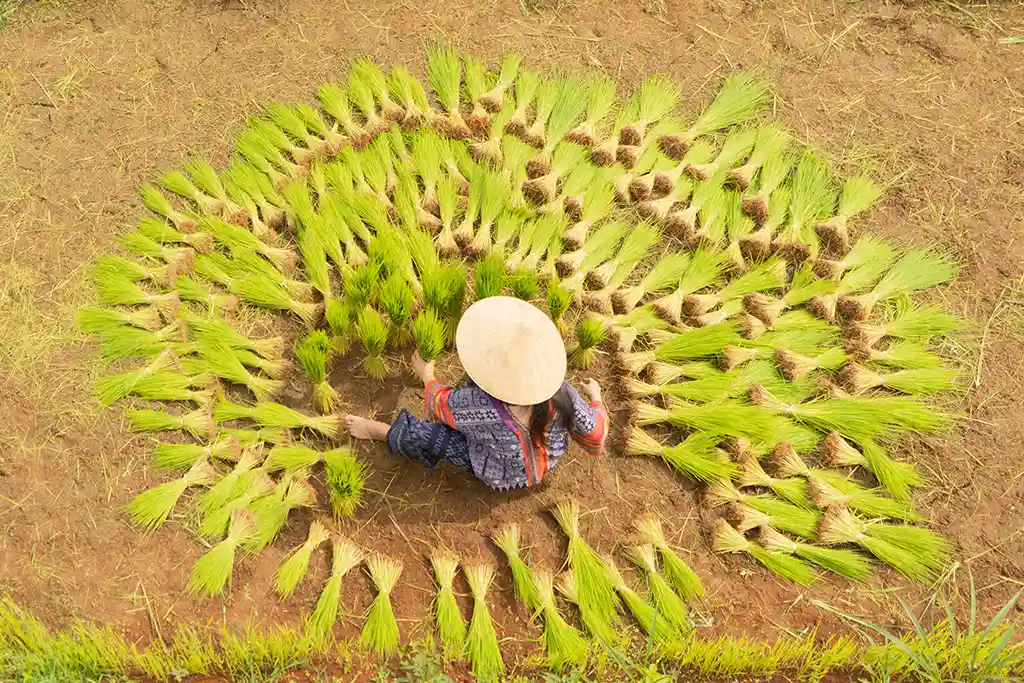
As the world’s population keeps growing, we need to work faster and smarter to produce more food in a sustainable way. We must improve farming methods, strengthen the global food supply chain, reduce food waste, and make sure everyone has access to healthy and nutritious food. Many experts believe that we can end hunger in our generation if we all work together.
At the 2012 Rio+20 Conference on Sustainable Development, global leaders agreed that everyone has the right to safe and nutritious food. This inspired the UN Secretary-General to launch the Zero Hunger Challenge, which encouraged governments, private companies, communities, and research centers to come together to fight hunger and malnutrition.
The Zero Hunger Challenge supports five key goals
Sustainable Development Goal 2 (SDG 2) aims to end hunger, improve food security, and promote sustainable farming. This goal connects with many other SDGs, such as reducing poverty, promoting gender equality, improving health, protecting the environment, and addressing climate change.
Good nutrition is not just about calories. It also involves getting enough vitamins and minerals through a healthy diet. Poor nutrition, especially in mothers and infants, can cause long-term health problems. At the same time, bad diets and lifestyles are causing more non-communicable diseases worldwide.
The first 1,000 days of a child’s life from pregnancy to their second birthday are very important. The Scaling Up Nutrition (SUN) movement has made great progress by linking nutrition with agriculture, clean water, health care, education, jobs, and social support.
Most of the world’s extreme poor and hungry people live in rural areas, especially small farmers and their families. That’s why ending poverty and hunger must include improving rural incomes and farm productivity.
Our farming systems need to produce more food with fewer resources. Sustainable farming must protect land, soil, water, and plant resources. These are becoming scarce in many regions, so they must be used wisely. We also need to grow more food on the land we already use, by restoring damaged land and using eco-friendly methods. Smarter irrigation, drought-resistant crops, and land restoration can help increase food supplies while protecting the environment.
Stopping and reversing land damage is essential. The Rio+20 conference also supported the goal of creating a “land-degradation-neutral” world. Restoring land will not only improve food security but also help reduce the effects of climate change. But we still need to better understand what causes land degradation and how to stop it.
Farmers have traditional knowledge that, combined with science, can help us farm better. This includes managing soil, water, nutrients, and pests in smart and sustainable ways, and using more organic fertilizers.
To get the best results, governments should make better decisions by balancing the needs of farming, water, energy, land, and the environment.
As climate change brings new challenges like shifting rainfall, rising temperatures, and more pests, we must invest in new farming technologies and build stronger, more resilient food systems. This will help prevent food shortages and ensure healthy diets for all people.
17 SDG Malaysia is proud to support sustainable agriculture and food security efforts that align with the United Nations Sustainable Development Goals.